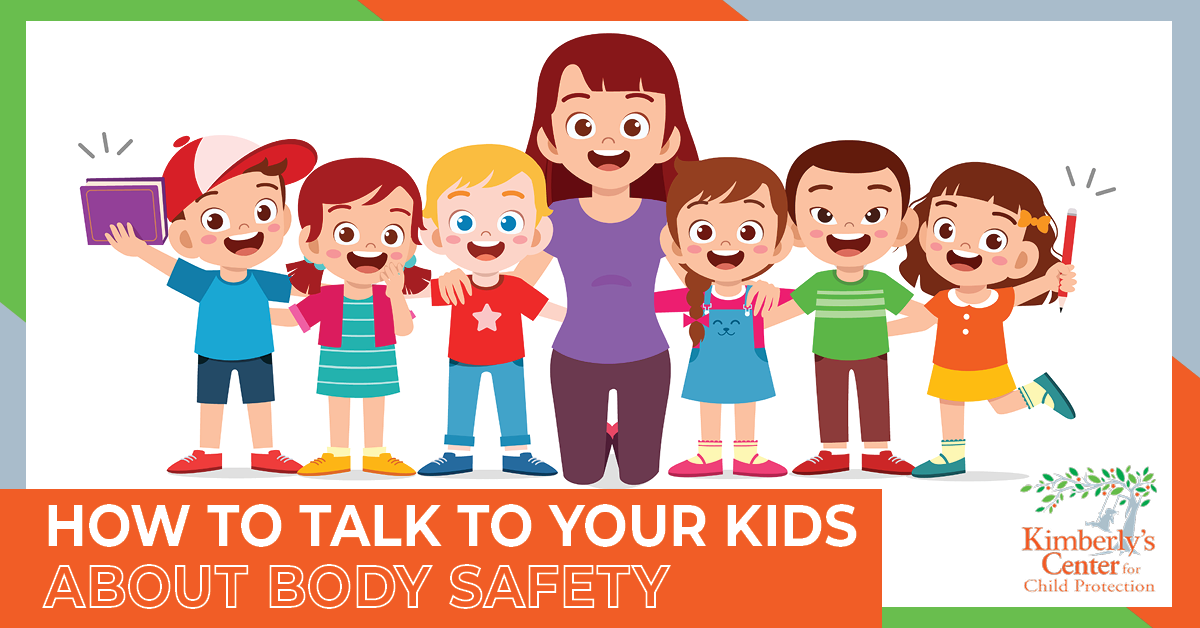
As parents, we spend a lot of time preparing our children for the world. We teach them to wear helmets when they ride bikes and to look both ways before crossing the street. We don’t do these things to scare them, we do them to give them the tools they need to explore the world with confidence.
Talking about body safety is no different. At Kimberly’s Center for Child Protection, we believe prevention is the ultimate cure. By teaching boundaries in ages and stages, you can turn a heavy conversation into an ongoing, comfortable part of your family’s rhythm.
Ages 2-5: The Boss of My Body Phase
At this age, children are learning that they have a say in what happens to their bodies. This is the time to set the blueprint for safety.
The Swimsuit Rule
Give them a visual or “where” boundary they can understand: “Private parts are the parts of your body covered by a swimsuit.” This is a simple shorthand to help a child recognize when a boundary is being crossed.
Correct Anatomical Names
While the swimsuit rule defines the area, using correct names provides the vocabulary. Using real words removes shame and ensures that if they ever have a concern, they have the clear language to tell you exactly what is wrong without code words getting in the way.
Practice Body Autonomy
Allow your child to choose a high-five or a wave instead of a hug for a relative. When we respect their “no” at home, we teach them that their boundaries are powerful and respected by those who love them most.
Ages 6-10: Spotting Tricky Behavior
As children enter school, their world expands. This is the stage to teach them how to identify situations that don’t feel right.
Adults Don’t Need Help
Teach your child a golden rule: “Adults don’t ask kids for help; they ask other adults for help.” If an adult asks them to help find a lost pet or give directions, that may be a tricky situation. They should immediately go find a Safe Adult.
Surprises vs. Secrets
Use the Happy Test. Tell them: “Surprises are temporary and end with everyone being happy (like a birthday gift). Secrets are meant to be kept forever and often make people feel worried.” In your house, make it clear: We don’t keep safety secrets.
Identify the Safety Circle
Help your child name three to five trusted adults they can talk to about anything. These are the people who will always believe them and help them.
Ages 11 and Up: Digital Boundaries and Consent
For tweens and teens, body safety moves into the digital space. Consent is about physical touch and digital footprints.
Digital Consent
Discuss the importance of asking for permission before sharing a photo of someone else or sharing private conversations or intimate details online. Remind them that they have the right to ask others to do the same for them. Bring up the importance of not tagging themselves or friends at a specific location with their permission.
The Power of Saying No Online
Empower your child to give and withhold consent in their virtual interactions. They have the right to say no to any conversation that makes them uncomfortable, decline friend requests or DMs from people they don’t know in real life, or refuse to send or receive photos or videos that make them uncomfortable.
The Guardrails
Encourage open dialogue. Ensure they know that if a conversation online ever feels off, they can come to you without fear of losing their devices. Framing safety as self-respect helps them navigate the virtual world with a shield of awareness.
Your Partner in Protection
At Kimberly’s Center, we see the bravery of Marion County’s children every day. We implement the Monique Burr Foundation’s Safety Matters curriculum, taught in our local schools, is designed to support exactly what you are doing at home — building a sanctuary of safety for your child.
You don’t have to be an expert to start the conversation, you just have to be a safe place for your child to land. By focusing on these simple rules, you aren’t just protecting their childhood, you are helping them reclaim it.
If you want to learn more about our evidence-based prevention programs or need resources on how to start these conversations, Kimberly’s Center is here to help. Together, we are Marion County’s epicenter of healing and protection.
Article Sources:
https://childrescuecoalition.org/educations/growing-kids-and-boundaries-teaching-consent-by-age-and-stage/
https://www.patsplacecac.org/wp-content/uploads/2022/12/Body-Safety-Flyer-2.pdf